
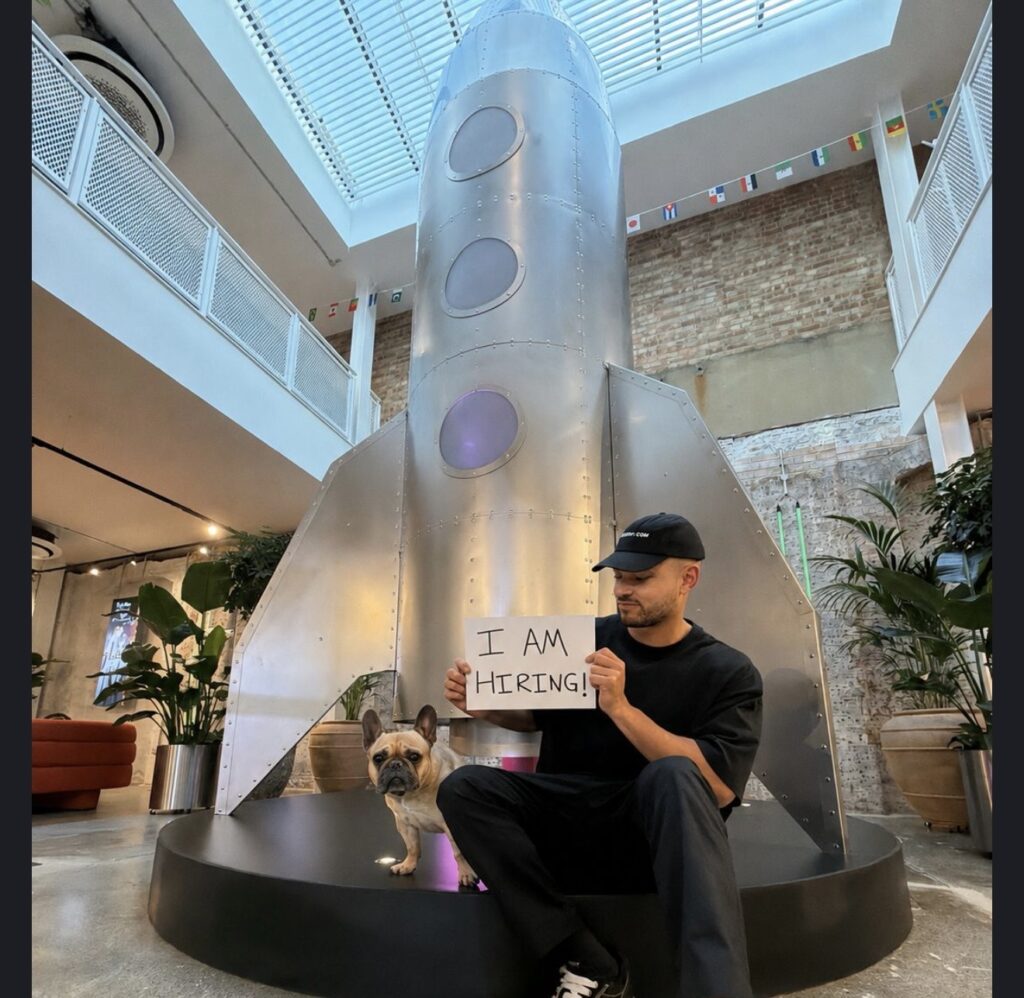
Steven Bartlett has been all over LinkedIn this week.
He is hiring. He has built something called the Culture Test — a 35-question scenario-based assessment that screens candidates for culture fit before they ever sit in an interview chair. He says only 7% of candidates get a crucial question right. He hired someone with a virtually blank CV because she thanked the security guard by name on the way into the building.
And he is right about almost all of it.
Culture is how you behave. Hiring for character over credentials is one of the most important moves a growing organization can make. Screening for values at the door is significantly smarter than discovering a misalignment six months in.
I spent 23 years as a corporate HR executive watching organizations get this wrong. And I want to add something to the conversation that Steven’s platform — for all its reach — cannot offer.
The Culture Test screens for culture at the door.
What it cannot do is tell you what happens to culture once people are inside the building.
The Gap Between Hiring and Belonging
Here is what I watched happen over and over again in 23 years:
An organization hires beautifully. The Culture Test passes. The values align. The candidate thanks the security guard. The onboarding goes well. And then — six months, twelve months, two years in — the culture that was so carefully screened for begins to erode.
Not because the wrong people were hired. Because the environment they were hired into was never designed to sustain what was screened for at the door.
Culture is not a hiring problem. It is a leadership behavior problem.
The values written on the wall only matter if the leaders walking the hallways embody them under pressure. And pressure — a difficult quarter, a restructuring, a conflict between a high performer and a team member — is exactly when most organizations discover that the culture they thought they had was a performance, not a practice.
Steven screens for how candidates behave in hypothetical scenarios. That is valuable. What I have found — in organizations of every size and industry — is that the more important question is how leaders behave in real ones.
What Culture Breakdown Actually Looks Like
It does not look like a scandal. It does not look like a crisis.
It looks like a high performer who goes quiet. A team that stops bringing problems to their manager because the last time they did, nothing happened. A leader who communicates differently in the all-hands than they do in the 1:1. A pattern of decisions that sends a signal — to everyone watching — about what is actually valued here, regardless of what the culture deck says.
Most organizations do not know their culture is breaking down until the best people start leaving.
And by then the diagnostic is expensive, the repair is long, and the cost — in turnover, in performance, in the invisible tax paid by the people who stayed and absorbed what was happening — is significant.
What Steven Got Right — And What Comes Next
Steven Bartlett spending 50% of his month on hiring is not a quirk. It is a philosophy. He understands that culture is upstream of everything — performance, retention, innovation, growth. Get the people right and everything else becomes easier.
I agree with him completely.
Where I would extend the conversation is this: the investment in culture cannot stop at the door. The same intentionality that goes into screening candidates has to go into the ongoing behavioral health of the organization — the leadership communication patterns, the decision-making signals, the lived experience of the people who are already inside.
Hiring for culture fit is the beginning. Sustaining culture health is the work.
And most organizations — from fast-growing startups to Fortune 500 enterprises — do not have a tool for measuring that health with the same precision and specificity that Steven now has for measuring hiring fit.
That is the gap my work addresses. Not at the door. Inside the building.
The Culture Health Scorecard™ is a behavioral diagnostic that gives leadership teams a precise read on where culture is holding and where it is beginning to erode — before it shows up in turnover, performance gaps, or a LinkedIn post about why good people left.
The entry point is a $2,500 assessment with an executive debrief of the findings.
→ Contact us here to start the conversation.